
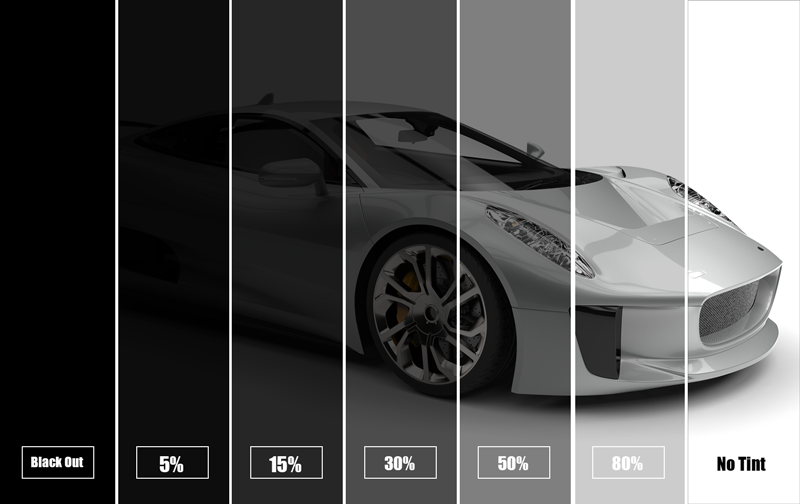
The cost to tint car windows usually ranges from $150 to $900 for a complete vehicle. The exact price depends on the type of window tint film, vehicle size, number of windows, glass complexity, and installer expertise. Basic dyed films sit at the lower end. Advanced ceramic films sit at the highest end. This price includes film material and professional labor.
Window tinting is a paid automotive service that applies a thin laminate film to interior glass surfaces. The film alters visible light transmission, ultraviolet exposure, and infrared heat penetration. Each of these attributes affects price.
What window tinting actually includes
Window tinting includes surface preparation, precision cutting, heat forming, interior application, curing time, and inspection. Professional tinting also includes warranty coverage and compliance checks with local tint laws.
Tint cost is not a flat number. Tint pricing is a calculated result of material science, labor time, and regulatory limits.
Average window tint cost ranges (quick overview)
| Tint Scope | Typical Cost Range |
|---|---|
| Front two windows | $70 – $160 |
| Rear windshield | $120 – $280 |
| Full sedan | $200 – $600 |
| Full SUV or van | $300 – $900 |
| Windshield strip | $50 – $120 |
These numbers represent professional installation using standard market rates.
Main factors that decide window tint cost
Type of window tint film
Film technology is the strongest price factor. Each film type uses different materials and delivers different performance levels.
Dyed window tint
-
Cost: $150 – $300 (full car)
-
Construction: multiple dyed polyester layers
-
Performance: glare reduction, basic UV blocking
-
Limitation: color fading over time
Metalized window tint
-
Cost: $200 – $400
-
Construction: metallic particle layers
-
Performance: heat reflection, durability
-
Limitation: signal interference with GPS, radio, and phones
Carbon window tint
-
Cost: $250 – $550
-
Construction: carbon-infused film
-
Performance: strong heat absorption, fade resistance
-
Benefit: matte finish, stable color
Ceramic window tint
-
Cost: $400 – $900
-
Construction: nano-ceramic particles
-
Performance: high infrared rejection, maximum UV blocking
-
Benefit: no signal interference, long lifespan
Higher-performing films cost more due to advanced manufacturing and longer service life.
Vehicle size and body style
Vehicle size directly controls material usage and labor time.
-
Coupes have fewer windows and lower surface area.
-
Sedans have four side windows and a wide rear windshield.
-
SUVs and crossovers include extra quarter glass.
-
Vans and large trucks include tall and flat glass panels.
More glass equals more film, more shaping, and higher labor cost.
Window shape and glass curvature
Flat glass is easier to tint. Curved or steep glass increases difficulty.
Examples of high-complexity glass:
-
Sloped rear windshields
-
Frameless door windows
-
Panoramic roofs
-
Fixed quarter windows
Complex shaping requires heat shrinking and advanced installation skill.
Number of windows tinted
Pricing increases as coverage increases.
-
Partial tint (front windows only) costs less.
-
Full tint (sides + rear) costs more.
-
Windshield tint or eyebrow strips add cost.
Each additional window adds labor time and precision work.
Installer skill and warranty
Professional experience impacts price.
Higher-priced installers usually offer:
-
Computer-cut patterns
-
Dust-free installation bays
-
Lifetime or long-term warranties
-
Legal compliance guidance
Lower-priced services may exclude warranties or use lower-grade film.
See More: Rooms With Toilets in Europe: A Complete Guide for Modern Travelers
Window tint cost by vehicle type
Coupe and two-door cars
-
Average cost: $150 – $450
-
Lower glass area
-
Faster installation time
Four-door sedans
-
Average cost: $200 – $600
-
Larger rear windshield
-
Balanced price-to-performance range
SUVs and crossovers
-
Average cost: $250 – $800
-
Additional quarter windows
-
Increased material usage
Vans and large trucks
-
Average cost: $300 – $900
-
Tall glass panels
-
Longer labor time
Cost to tint individual windows
Individual window tinting applies when replacing damaged film or matching factory tint.
| Window | Average Cost |
|---|---|
| Single side window | $40 – $80 |
| Front two windows | $70 – $160 |
| Rear windshield | $120 – $280 |
| Windshield strip | $50 – $120 |
Full-vehicle tinting usually offers better value per window.
Professional tinting vs DIY tinting cost comparison
DIY window tinting cost
-
Film kits: $50 – $150
-
Tools: $20 – $40
-
Time investment: 4–8 hours
Common DIY risks:
-
Air bubbles
-
Creases
-
Dust contamination
-
Peeling edges
-
Legal non-compliance
Redo costs often exceed professional pricing.
Professional window tinting cost
-
Labor included
-
Precision shaping
-
Clean installation environment
-
Warranty protection
Professional tinting costs more upfront but reduces replacement risk.
How long window tint lasts (cost over time)
| Tint Type | Average Lifespan |
|---|---|
| Dyed | 3 – 5 years |
| Metalized | 5 – 7 years |
| Carbon | 7 – 10 years |
| Ceramic | 10+ years |
Longer lifespan reduces long-term cost even with higher upfront pricing.
Cost to remove old window tint
Old tint removal adds extra labor.
-
Average removal cost: $50 – $200
-
Rear defroster glass increases cost
-
Brittle adhesive requires steam or chemical treatment
Removal is often charged separately.
Legal rules that affect tint pricing
Each state regulates Visible Light Transmission (VLT). VLT measures how much light passes through tinted glass.
Key legal facts:
-
Front windows have stricter limits
-
Rear windows often allow darker tint
-
Windshield tint is limited to top strips or high VLT film
Illegal tint leads to fines, removal costs, and reinstallation expenses.
Heat rejection and interior protection value
High-quality tint reduces:
-
Cabin temperature
-
UV exposure to skin
-
Dashboard cracking
-
Upholstery fading
Ceramic tint blocks infrared heat while maintaining visibility. This performance increases cost but improves comfort.
Brand influence on window tint pricing
Premium brands charge more due to material quality and warranty backing.
Well-known tint manufacturers include:
-
3M
-
Llumar
-
XPEL
-
SunTek
-
FormulaOne
Brand-backed films provide consistent optical clarity and documented performance ratings.
See More: Cheap Tow Truck Near Me: Fast, Safe and Low-Cost Towing Anytime You Need It
How to get the best window tint price
Use a structured approach.
-
Request film brand and series name
-
Confirm VLT percentage
-
Ask about warranty duration
-
Verify removal and re-tint costs
-
Compare identical film types across quotes
Itemized quotes allow fair cost comparison.
Frequently Asked Questions (Unique)
How much does it cost to tint only front car windows?
Front window tinting usually costs $70 to $160, depending on film type and legal limits.
Does darker tint always cost more?
Darker shade does not increase cost. Film technology increases cost.
Is ceramic tint worth the higher price?
Ceramic tint costs more because it blocks infrared heat and lasts longer.
Can factory-tinted glass reduce total cost?
Factory tint is dyed glass, not film. It does not reduce the cost of aftermarket tint.
Does tint pricing change by location?
Urban markets and high-demand areas usually charge more due to labor rates.
How long after tinting can windows be lowered?
Most installers recommend waiting 2 to 5 days for full curing.
Conclusion
Window tint cost depends on measurable technical factors. Film type sets the base price. Vehicle size and glass complexity increase labor. Professional installation adds durability and warranty value.
Lowest cost option: dyed film on a small vehicle
Highest cost option: ceramic film on a large SUV
Typical full-car price: $150 – $900
