
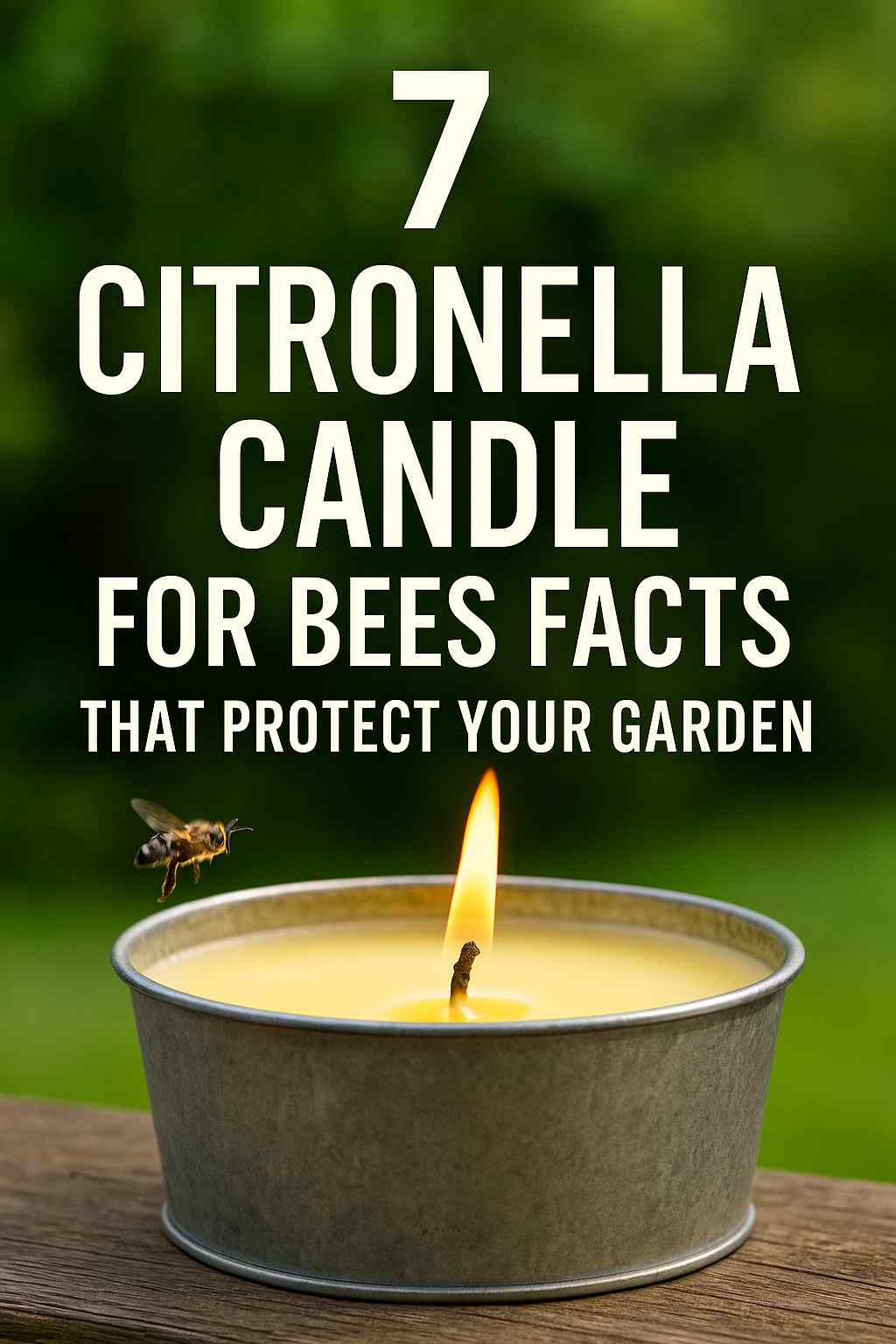
A citronella candle for bees is often used outdoors to reduce insect activity, especially around eating or sitting areas. Many people want to know if these candles keep bees away, if they affect bee health, and whether they offer safe control for homes, gardens, and patios. Bees play an important role in pollination, so it is important to understand how citronella interacts with them.
The candle itself is made from wax mixed with citronella oil. This oil comes from lemongrass plants and has a strong smell. That scent affects how insects move and behave. Some insects dislike the smell and avoid the area. Others ignore it completely. This detailed guide explains how bees respond, how safe citronella is for pollinators, and how to use these candles responsibly.
What Citronella Candles Are and How They Work
Citronella candles work by releasing scented oils into the air when burned. These oils form a light aroma barrier. Bees and mosquitoes detect scents through their antennas. When a strong scent is present, it can affect how they navigate.
Key Features of Citronella Candles
-
Made with natural citronella oil
-
Produces a strong lemon-like smell
-
Creates a scent zone, not a toxic barrier
-
Works best in calm outdoor spaces
-
Safe for open-air environments
The scent helps reduce the presence of insects that depend on smell cues. Bees rely on flower scents for food search. When citronella overpower those natural scents, bees avoid that area because they cannot detect clear floral signals.
Do Citronella Candles Repel Bees?
Citronella candles do not harm bees, but they can discourage bees from staying close to the candle. Bees usually avoid strong smells that interfere with nectar locating. The citronella aroma creates confusion for bees, and they drift away from scented spaces.
Why Bees Avoid Citronella
-
The smell blocks flower scent trails
-
Bees cannot identify nectar sources near strong odor
-
Bees prefer clean, natural air flow
-
Strong citronella triggers avoidance instincts
Because of these reasons, these candles are often used during outdoor meals when people want fewer bees hovering around food or drinks.
Are Citronella Candles Safe for Bees?
Citronella candles are considered safe for bees when used outdoors. They do not contain chemicals that kill bees. The smell may irritate them, but it does not harm their bodies or their wings, eyes, or respiratory system.
Reasons Citronella Is Safe Outdoors
-
Low toxicity level
-
Natural plant-based oil
-
Quick scent dissipation in open air
-
No harmful residue for plants or soil
Safety increases when candles are placed away from bee hives, pollinator houses, and active garden beds.
When Bees Might React Negatively
While citronella is generally safe, very strong or enclosed exposure can confuse or stress bees. Avoid using citronella candles inside greenhouses, small sheds, or other enclosed spaces.
Situations to Avoid
-
Using candles near hive entrances
-
Burning many candles in small areas
-
Placing candles under covered patio roofs without ventilation
Bees are sensitive to intense smells. Open-air burning reduces the risk of discomfort.
See More: Polygrapher Says I Manipulated Examination: Meaning, Reasons, and What You Should Do Next
How Effective Citronella Candles Are for Mosquitoes vs Bees
Citronella candles work better on mosquitoes than they do on bees. Mosquitoes rely on carbon dioxide from breathing, body heat, and skin odor. Citronella blocks these cues, making it harder for mosquitoes to land on people.
Bees, however, are not attracted to human scent in the same way. They are attracted to colors, floral scents, and certain food smells. This means citronella affects bees only because it hides flower scent, not because it repels them like mosquitoes.
Best Practices for Using Citronella Around Bees
To get the most benefit while protecting bee health, place citronella candles in locations that create comfort for people without disturbing pollinators.
How to Use Citronella Safely
-
Keep candles at least 6–10 feet from flowering plants
-
Place candles around sitting areas, not garden beds
-
Burn candles only when needed
-
Choose outdoor spaces with good air flow
-
Use fewer candles in windy conditions
This method helps reduce bee presence in social areas while still giving bees access to flowers.
Types of Citronella Candles and Bee Safety Comparison
| Candle Type | Material | Strength of Scent | Bee Impact | Best Use Case |
|---|---|---|---|---|
| Soy Wax Citronella Candle | Soy wax + citronella oil | Medium | Mild avoidance | Patios, decks |
| Paraffin Citronella Candle | Paraffin wax | Strong | Higher avoidance | Large outdoor areas |
| Beeswax Citronella Candle | Beeswax + oil | Soft | Least irritation | Gardens, eco-friendly spaces |
| Multi-Oil Citronella Candle | Citronella + eucalyptus or lemongrass | Strong | Strong scent repels more | Mosquito-heavy zones |
DIY Citronella Candle Options for Bee-Friendly Use
Homemade citronella candles let you control scent strength and choose safer materials.
Simple DIY Recipe
Ingredients:
-
Soy wax flakes
-
Citronella essential oil
-
Cotton wick
-
Heat-safe container
Steps:
-
Melt soy wax in a double boiler.
-
Add 3%–5% citronella oil into melted wax.
-
Place wick in the container.
-
Pour wax and let it cool.
-
Trim wick and use outdoors.
This gentle scent level is safer for areas with active pollinators.
Natural Alternatives to Citronella for Reducing Bee Activity
Some people prefer non-scent or soft-scent methods that support bees while keeping them away from certain spaces.
Effective Alternatives
-
Table fans that interrupt insect flight
-
Unscented candles to reduce visual attraction
-
Peppermint plants near seating areas
-
Covered food and drinks
-
Light-colored tablecloths
These options reduce bee visits without confusing their pollination patterns.
See More: Best Bait for Mouse Traps: A Complete Expert Guide
Benefits of Citronella Candles for Eco-Conscious Users
Citronella candles support pollinator-friendly living because they replace harmful chemical sprays. Many chemical insect repellents harm bees, butterflies, and other wildlife. Citronella offers a safer outdoor comfort solution.
Eco Benefits
-
Plant-based ingredients
-
Low environmental risk
-
Safe for soil and water
-
No toxic fumes
-
Does not affect bee reproduction
This makes citronella a popular choice for gardens, parks, outdoor cafés, and nature-friendly spaces.
Best Places to Position a Citronella Candle for Bees
Correct placement gives the best result with the lowest impact on wildlife.
Ideal Placement Spots
-
On patio tables
-
Along decks
-
Near outdoor seating corners
-
Away from flowering shrubs
-
On pathways with light bee traffic
Avoid placing candles above or close to food sources bees like, such as fruits or sugary drinks.
Common Mistakes People Make With Citronella Candles
Many users place citronella candles too close to flowers or use too many candles at the same time.
Mistakes to Avoid
-
Burning candles under bee feeders
-
Using citronella near herb gardens
-
Expecting citronella to remove bees fully
-
Mixing citronella with harsh chemical repellents
-
Burning candles overnight
Using citronella correctly gives better results and keeps pollinators safe.
Frequently Asked Questions About Citronella Candle for Bees
1. Does citronella candle harm bees?
No, citronella does not harm bees when used outdoors. It only creates scent confusion.
2. Do bees hate the smell of citronella?
Bees dislike strong citronella scent because it blocks flower markers. They move away from it.
3. Can a citronella candle remove a bee hive?
No, citronella does not remove hives. Only trained beekeepers can relocate a hive safely.
4. Are citronella candles safe for butterfly gardens?
Yes, if placed away from nectar plants. Butterflies avoid strong scents but remain unharmed.
5. How far does a citronella candle work?
Most candles work within 2–4 feet. Scent strength weakens in wind.
6. Does citronella keep wasps away?
Citronella may reduce wasp presence slightly, but its effect is weaker than on mosquitoes.
7. Can I use citronella inside my home?
Indoor use is not recommended. The odor builds up and may cause discomfort for people and pets.
8. Are bees attracted to citronella candles?
No, bees are not attracted. They avoid the smell because it hides natural plant scents.
Conclusion
Citronella candles offer a simple way to enjoy outdoor spaces while keeping insect activity low, and they do this without harming bees. Bees avoid the strong citronella scent because it blocks natural flower signals, not because it is dangerous to them. This makes citronella a helpful choice for people who want comfort outdoors and still care about pollinators. When placed in open areas and away from flowers or hives, citronella candles create a safe balance between human needs and nature. By using them wisely, anyone can protect their garden, support bee activity, and enjoy cleaner, calmer outdoor moments.
