
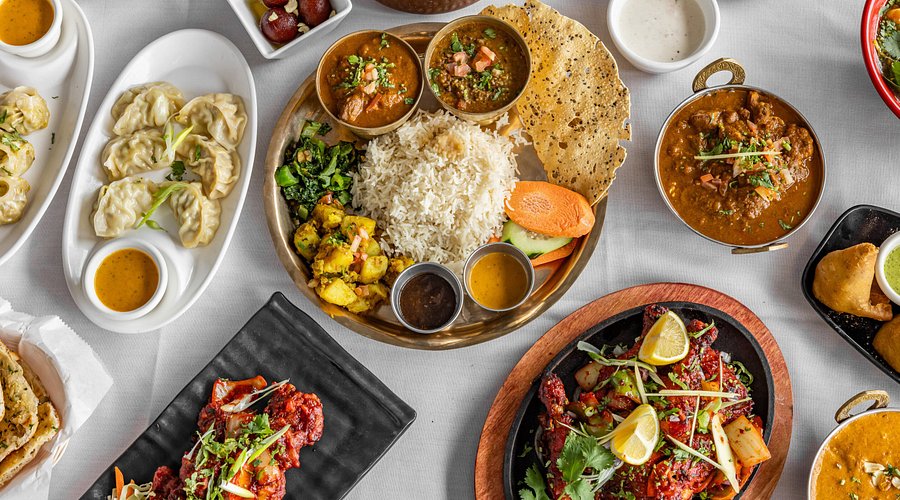
Nepalese and Indian cuisine represent two rich food cultures shaped by geography, tradition, and centuries of regional exchange. Both countries sit side by side in South Asia, and their kitchens share many ingredients, spices, and cooking habits. Still, each cuisine keeps its own identity through flavor styles, preparation methods, and cultural practices.
This article explores the connection between the two cuisines, shows how they differ, and explains why both are respected worldwide for taste, comfort, and diversity.
Shared Food Traditions Across Nepal and India
Nepal and India have exchanged ingredients for hundreds of years. Because of this long relationship, their cuisines share many similarities.
Common Ingredients
-
Rice
-
Wheat flour
-
Lentils
-
Fresh vegetables
-
Yogurt
-
Chili
-
Ginger
-
Garlic
-
Turmeric
-
Cumin and coriander
These ingredients shape most everyday meals in both countries.
Similar Cooking Styles
-
Slow cooking of curries
-
Preparing aromatic spice mixtures
-
Using clay ovens or heavy iron pans
-
Serving meals in a plate-style format similar to “thali”
Cultural Influence
Both cuisines are influenced by
-
Hindu traditions
-
Buddhist practices
-
Regional festivals
-
Farming lifestyles
-
Food sharing and family-style eating
Even with these shared elements, Nepalese and Indian cuisine remain very different in taste and personality.
See More: Can You Freeze Mushrooms? Complete Beginner-Friendly Guide
What Makes Nepalese Cuisine Unique
Nepalese cuisine is known for its simple flavors, light spices, and ingredients shaped by the Himalayan environment. Mountain life, cold temperatures, and agriculture affect how people cook and what foods they prefer.
Key Features of Nepalese Food
-
Mild spice levels
-
Less oil and cream
-
Clean, fresh flavors
-
Greater focus on soups, steamed foods, and broths
-
Heavy use of pickles and fermented vegetables
Popular Nepalese Dishes
Dal Bhat – A complete meal of rice, lentil soup, vegetables, pickles, and sometimes meat.
Momo – Soft dumplings filled with vegetables or meat.
Thukpa – A warming noodle soup influenced by Tibetan cooking.
Gundruk – Fermented leafy greens used in soups and pickles.
Sel Roti – A ring-shaped rice bread made during festivals.
Samay Baji – A traditional Newari platter served with beaten rice, buffalo meat, and seasonal pickles.
Spices Used in Nepal
Nepalese food uses fewer spices than Indian food. The most common ones include:
-
Timur (Nepali pepper similar to Sichuan pepper)
-
Cumin
-
Coriander
-
Fenugreek
-
Turmeric
-
Jimbu (a Himalayan herb)
These spices add depth without creating too much heat.
What Makes Indian Cuisine Unique
Indian cuisine is known for bold flavors, strong aromatics, rich sauces, and different cooking styles from region to region. India’s size and diversity create one of the most varied food cultures in the world.
Key Features of Indian Food
-
Strong spice blends
-
Thick gravies
-
Use of cream, butter, and yogurt
-
Many vegetarian dishes
-
Wide variety of flatbreads
-
Large dessert culture
Popular Indian Dishes
Butter Chicken – A creamy tomato-based chicken curry.
Paneer Tikka – Marinated cottage cheese grilled with spices.
Biryani – Fragrant rice cooked with meat or vegetables.
Masala Dosa – A crisp fermented rice crepe with potato filling.
Chole Bhature – Spicy chickpeas served with fried bread.
Rogan Josh – A Kashmiri slow-cooked meat curry.
Spices Used in Indian Cooking
Indian cuisine uses dozens of spices. Some of the commonly used ones are:
-
Garam masala
-
Cardamom
-
Cinnamon
-
Cloves
-
Mustard seeds
-
Curry leaves
-
Fenugreek
-
Red chili powder
-
Black pepper
Regional spice blends differ greatly across India, giving every state its own signature taste.
Comparison: Nepalese vs Indian Cuisine
The table below shows the simplest way to understand the difference:
| Feature | Nepalese Cuisine | Indian Cuisine |
|---|---|---|
| Spice Level | Mild to moderate | Moderate to very spicy |
| Use of Dairy | Low | High |
| Main Techniques | Steaming, boiling, light frying | Frying, roasting, slow-cooking |
| Staple Food | Rice, lentils, dumplings | Rice, breads, lentils |
| Flavor Profile | Clean, herbal, simple | Rich, complex, layered |
| Street Food Focus | Momo, thukpa, sel roti | Chaat, samosa, dosa |
| Regional Influence | Tibetan, Himalayan | Persian, Mughal, Dravidian |
Dishes Found in Both Nepal and India
While both cuisines remain unique, a few dishes appear in both cultures with slight differences.
Shared or Similar Foods
-
Aloo Dum – Potato curry with different spices.
-
Puri/Roti – Flatbreads that appear across borders.
-
Rice and lentils – Used in almost every household.
-
Pickles – Both countries use spicy, fermented pickles with vegetables and fruits.
Each region adds its own local flavor to these foods, keeping them both familiar and unique.
See More: Chicken Tikka Masala vs Butter Chicken: The Complete Comparison Guide
Why Both Cuisines Are Loved Worldwide
Nepalese and Indian cuisine have reached global popularity because they offer:
1. Strong Cultural Identity
Foods represent festivals, traditions, and family gatherings.
2. Wide Range of Options
Vegetarian, vegan, and meat dishes are available in both cuisines.
3. Comfort and Warmth
Dishes like dal, curries, and soups feel filling and satisfying.
4. Rich Aromas
Fresh spices create a deep, memorable flavor that attracts food lovers.
5. Healthy Choices
Steamed foods, fermented vegetables, and lentil dishes provide balanced nutrition.
Best Nepalese and Indian Dishes to Try for Beginners
Beginner-Friendly Nepalese Dishes
-
Momo
-
Dal Bhat
-
Aloo Tama
-
Vegetable Thukpa
-
Sel Roti with yogurt
Beginner-Friendly Indian Dishes
-
Butter Chicken or Paneer Butter Masala
-
Vegetable Biryani
-
Masala Dosa
-
Palak Paneer
-
Chole (Chickpea Curry)
These dishes offer mild, pleasant flavors for new diners.
Key Differences Explained Simply
-
Nepalese food uses fewer spices.
-
Indian food uses deeper and richer spices.
-
Nepalese dishes feel lighter and less creamy.
-
Indian dishes often include dairy like cream and ghee.
-
Nepalese cuisine has Tibetan influence.
-
Indian cuisine shows Persian, Mughal, and South Indian influence.
-
Nepal prefers dumplings and soups.
-
India prefers flatbreads and fried snacks.
Which Cuisine Is Healthier?
Both Nepalese and Indian food offer healthy options.
Nepalese cuisine is naturally lighter with simple ingredients.
Indian cuisine can be very healthy as well when made with less oil and lighter spices.
Dishes like lentils, steamed vegetables, and rice bowls in both countries support good nutrition.
Conclusion
Nepalese and Indian cuisine stand as two strong food cultures built on tradition, geography, and shared heritage. Nepalese cuisine brings gentle, fresh, and mountain-inspired flavors, while Indian cuisine delivers rich, bold, and aromatic dishes. Together, they represent the heart of South Asian cooking and continue to inspire diners across the world.
FAQs About Nepalese and Indian Cuisine
1. Are Nepalese and Indian food the same?
No. They share some ingredients, but Nepalese food is lighter and less spicy.
2. Which cuisine uses more spices?
Indian cuisine uses more spices and stronger flavors.
3. Is Nepalese food healthier?
Nepalese dishes are often lower in oil, making them feel lighter.
4. What is the most famous Nepalese dish?
Momo dumplings and Dal Bhat are the most popular Nepalese dishes.
5. What is the most famous Indian dish?
Butter Chicken, Biryani, and Masala Dosa are widely known worldwide.
6. Do both cuisines have vegetarian options?
Yes. Both offer many vegetarian and vegan dishes.
7. Which cuisine is better for beginners?
Nepalese cuisine suits those who prefer mild flavors, while Indian cuisine suits those who enjoy bold taste.
