
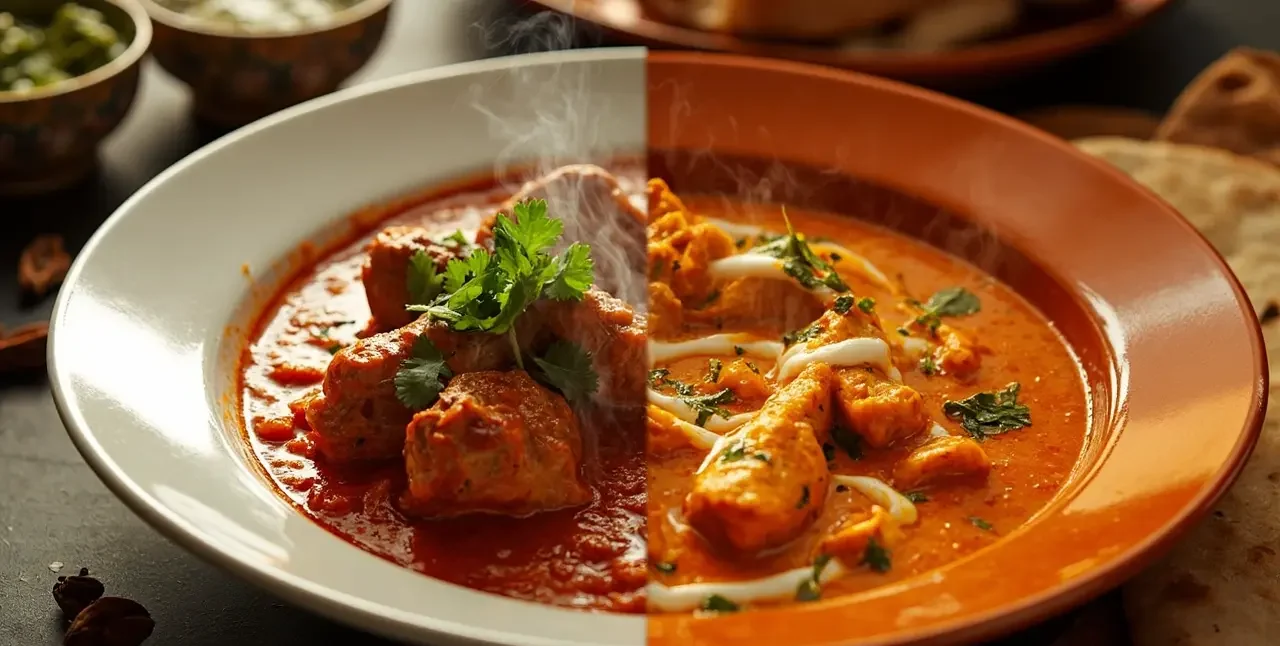
When you visit an Indian restaurant, two dishes almost always catch your eye Chicken Tikka Masala and Butter Chicken. Both are flavorful, creamy, and comforting. Yet, they are not the same. This guide gives you a clear, detailed, and easy-to-understand comparison of chicken tikka masala vs butter chicken, covering their origins, ingredients, cooking style, flavors, nutrition, and more.
1. Introduction to Two Global Favorites
Chicken Tikka Masala and Butter Chicken (Murgh Makhani) are two of the most famous Indian curries worldwide.
While both feature chicken cooked in a creamy tomato-based sauce, each dish has its own story, taste, and character.
-
Butter Chicken is richer and milder with a buttery, smooth sauce.
-
Chicken Tikka Masala is spicier and tangier with a charred, smoky note.
Let’s understand what makes them different and how both became global comfort foods.
2. Origin and History
Butter Chicken: Born in Delhi
Butter Chicken was created accidentally in the 1950s at Moti Mahal restaurant in Delhi. Chefs Kundan Lal Gujral and Kundan Lal Jaggi mixed leftover tandoori chicken with butter, tomato, and cream to prevent waste. The result was a mild, rich curry that quickly became an Indian classic known as Murgh Makhani.
Chicken Tikka Masala: A British Creation
Chicken Tikka Masala, however, took shape in Britain in the 1960s–70s. According to culinary historians, South Asian chefs working in Glasgow or London modified their Indian recipes to suit local tastes less heat, more sauce. Some believe it was invented when a British customer asked for “gravy” with his dry chicken tikka, and the chef improvised using tomato soup, spices, and cream. Both dishes share Indian roots, but their birthplaces and flavor intentions differ.
3. Key Ingredients: What Goes Inside
| Feature | Chicken Tikka Masala | Butter Chicken |
|---|---|---|
| Main Protein | Boneless chicken pieces (tikka) | Bone-in or boneless tandoori chicken |
| Base Sauce | Tomato puree, onion, garlic, ginger, yogurt | Tomato, butter, and fresh cream |
| Key Spices | Garam masala, coriander, cumin, paprika | Fenugreek (kasuri methi), cardamom, cinnamon |
| Texture | Thick and spiced | Silky, buttery, and smooth |
| Flavor Profile | Smoky, tangy, bold | Creamy, mellow, slightly sweet |
Ingredient Insight
-
Chicken Tikka Masala relies on yogurt-based marination, giving the chicken its tenderness and smoky aroma.
-
Butter Chicken balances butter and cream with tomato gravy, making it mild and luscious.
-
Kasuri methi (dried fenugreek leaves) defines the authentic butter chicken aroma.
See More: How to Bake Lasagna: Time, Temperature, and Technique
4. Cooking Technique
How Chicken Tikka Masala Is Cooked
-
Chicken pieces are marinated in yogurt, garlic, ginger, lemon juice, and spices.
-
They are grilled or roasted in a tandoor for a smoky flavor.
-
A spiced tomato sauce is prepared separately using onions, tomatoes, and cream.
-
The roasted chicken is added to the sauce, simmered, and finished with garam masala.
How Butter Chicken Is Cooked
-
Pre-cooked or fresh tandoori chicken is used.
-
A butter-rich sauce is prepared with tomato puree, ginger, garlic, and cream.
-
Chicken is simmered gently to absorb the creamy flavors.
-
The dish is finished with a swirl of butter and crushed fenugreek.
Main difference: Tikka Masala focuses on grilled, smoky chicken with strong spices, while Butter Chicken emphasizes a creamy, buttery sauce with milder spice tones.
5. Flavor and Texture Difference
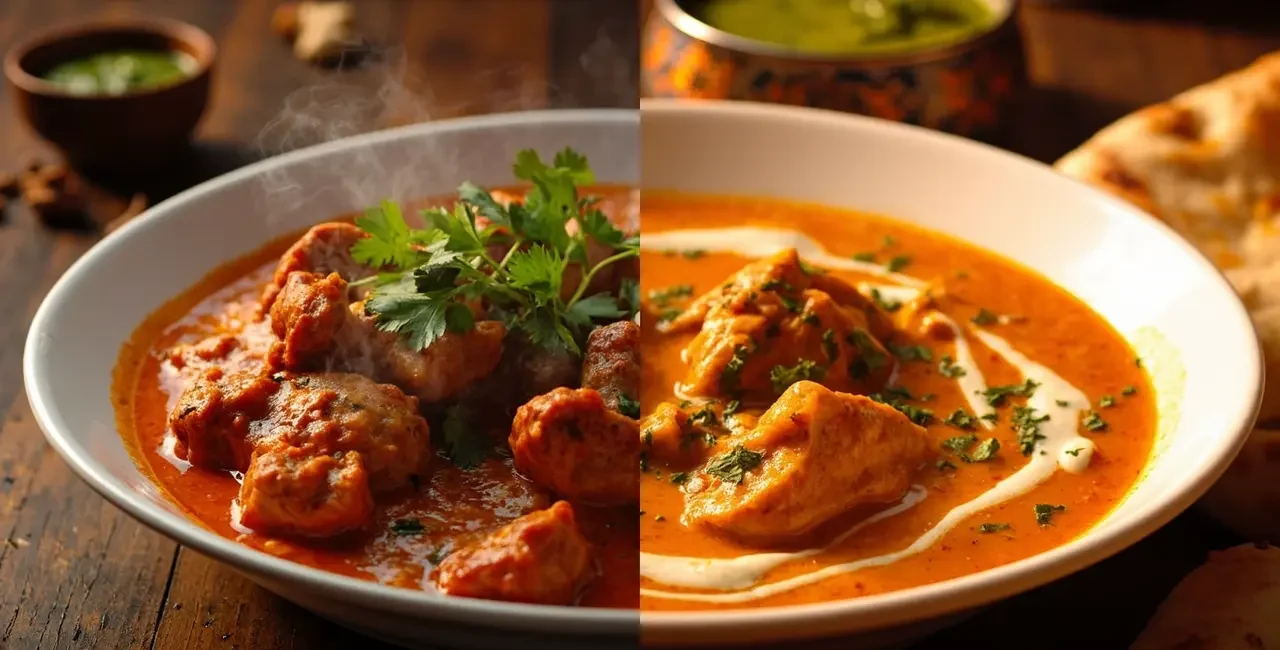
| Aspect | Chicken Tikka Masala | Butter Chicken |
|---|---|---|
| Spice Level | Medium to high | Mild |
| Dominant Flavor | Tomato and spice | Butter and cream |
| Color | Bright red or orange | Light orange or golden |
| Consistency | Thick and chunky | Silky and smooth |
-
Butter Chicken delivers comfort. It’s smooth, creamy, and slightly sweet.
-
Chicken Tikka Masala delivers excitement. It’s tangy, spicy, and layered with roasted notes.
Each bite tells a different story one of Delhi’s culinary heritage and another of Britain’s cultural fusion.
6. Nutrition and Calories
Both dishes are indulgent but not identical in nutrition.
| Nutritional Aspect | Chicken Tikka Masala | Butter Chicken |
|---|---|---|
| Calories (avg per serving) | 420–500 kcal | 500–600 kcal |
| Fat Content | Moderate | Higher (due to butter & cream) |
| Protein | 30–35 g | 30–35 g |
| Sugar | Slightly higher (tomato base) | Lower |
| Carb Content | Depends on sauce | Depends on sauce |
Health Insight
-
Chicken Tikka Masala can be lighter if made with less cream and grilled chicken.
-
Butter Chicken can be calorie-dense because of butter and cream.
-
Homemade versions can be adjusted use Greek yogurt, olive oil, or low-fat cream for a balanced meal.
7. Serving and Pairing Suggestions
Perfect Companions for Butter Chicken
-
Garlic naan or butter naan
-
Jeera rice or plain basmati rice
-
Mint chutney or cucumber raita
Perfect Companions for Chicken Tikka Masala
-
Steamed basmati rice
-
Chapati or roti
-
Onion salad and lemon wedges for acidity
Both dishes go beautifully with a cold lassi or light lager beer, balancing spice and richness.
See More: How Long to Cook Chicken Legs in the Oven (Complete 2025 Guide)
8. Regional and Restaurant Variations
-
In India, Butter Chicken stays true to its original buttery style.
-
In the UK or US, Chicken Tikka Masala is often creamier and less spicy than Indian versions.
-
Some chefs combine both elements, creating “Masala Butter Chicken” a hybrid with balanced spice and richness.
-
Vegan and vegetarian versions use paneer, tofu, or even mushrooms in place of chicken.
9. Which One Is Better?
There’s no clear winner. The “better” choice depends on what your palate prefers:
-
Choose Butter Chicken if you enjoy mild, buttery gravies with smooth richness.
-
Choose Chicken Tikka Masala if you love tangy tomato spice with roasted depth.
From a culinary perspective, both symbolize the global evolution of Indian cuisine, blending traditional methods with regional creativity.
10. Interesting Facts
Historical Facts
-
Butter Chicken was born out of leftover food innovation in Delhi.
-
Chicken Tikka Masala is often called “Britain’s National Dish.”
-
The word “Makhani” literally means “with butter.”
-
Chicken Tikka means “bits of chicken cooked over fire.”
Flavor Tips for Home Cooks
-
Use smoked paprika to mimic tandoor flavor.
-
Add a pinch of sugar to balance acidity in tomato sauce.
-
Finish both dishes with crushed dried fenugreek for authenticity.
-
Rest marinated chicken for at least 4 hours before cooking for tenderness.
11. Frequently Asked Questions (FAQs)
Q1. What is the main difference between Chicken Tikka Masala and Butter Chicken?
Chicken Tikka Masala is spicier and uses grilled chicken pieces; Butter Chicken is creamier and milder with a buttery tomato base.
Q2. Which dish is healthier?
Chicken Tikka Masala is slightly healthier as it uses less butter and more grilled meat.
Q3. Why does Butter Chicken taste sweeter?
Because of butter, cream, and reduced acidity from tomatoes, giving it a mild and rich finish.
Q4. Which dish originated first?
Butter Chicken originated in Delhi in the 1950s, while Chicken Tikka Masala came later in Britain around the 1970s.
Q5. Can I make both dishes at home without a tandoor?
Yes. Use a grill pan or oven to roast chicken and follow stovetop curry preparation for authentic results.
12. Conclusion
In the culinary debate of Chicken Tikka Masala vs Butter Chicken, the answer depends on your mood and taste preference. Both dishes combine India’s love for spices and global flavors in their own unique way.
-
Butter Chicken comforts the soul.
-
Chicken Tikka Masala excites the senses.
Whichever you choose, both represent the timeless art of Indian cooking a balance of spice, cream, and history in every bite.
