
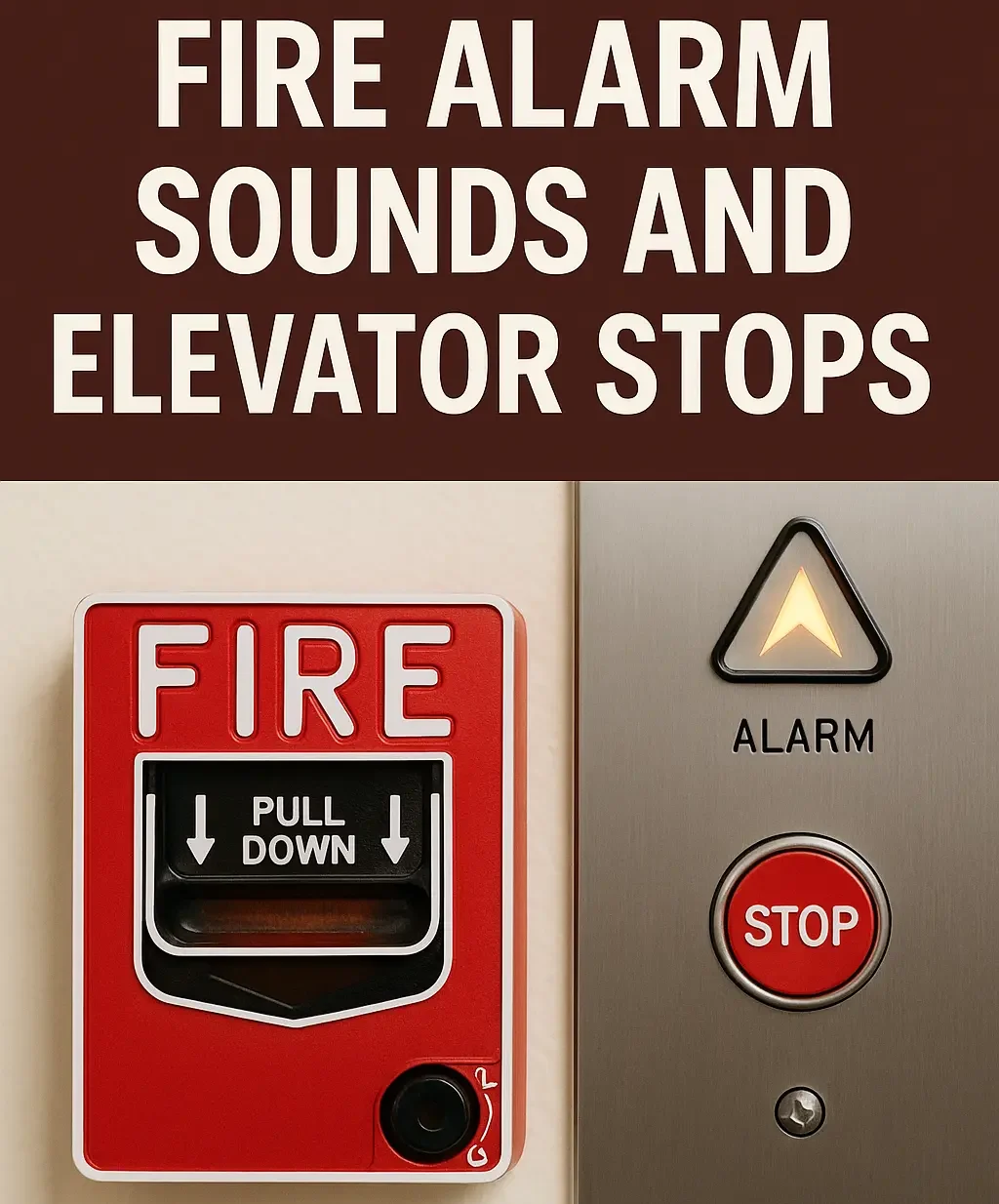
When a fire alarm sounds and an elevator stops, many people get confused or scared, especially if they do not understand how safety systems work inside modern buildings. This guide explains why elevators stop, how fire alarms control building movement, and what steps you should follow during these events. Everything here is written in simple English, but built with professional SEO structure and rich detail.
Why Elevators Stop When a Fire Alarm Sounds
In most buildings, when the fire alarm sounds and the elevator stops, it is not an accident. It is a planned safety action.
Fire engineers design elevators to stop operating during fire alarms because elevators can become dangerous if smoke enters the shaft or if the car travels to floors where fire is active.
Main reasons elevators stop during fire alarms:
-
Smoke can enter the elevator shaft and make breathing difficult.
-
Heat can damage elevator machinery and cause the elevator to malfunction.
-
Power may change to emergency mode, which can interrupt elevator movements.
-
Elevators might open on the fire floor, putting people at risk.
-
Firefighters need full control of elevator use once they arrive.
Because of these reasons, most codes require elevators to return to a safe floor, open the doors, and stay out of service.
Understanding How Fire Alarm and Elevator Systems Work Together
Modern buildings use an advanced connection between the Fire Alarm Control Panel (FACP) and elevator controllers. This connection helps manage how the elevator behaves during an emergency.
Fire Alarm → Elevator Response
When the fire alarm activates, the system sends a signal to all elevators. The elevators then enter Phase 1 Recall Mode, which means:
-
The elevator moves to the main recall floor (often the lobby).
-
If that floor has smoke, it moves to an alternate floor.
-
The doors open and stay open.
-
The elevator refuses all new call buttons from passengers.
This prevents people from using the elevator during the fire event.
What Happens Inside the Elevator When It Stops?
If you are inside an elevator when the alarm begins, you might feel the elevator slow down, stop, or change direction. This is normal. Most systems are designed to:
-
Return you to a safe exit floor.
-
Unlock the doors so you can get out.
-
Deactivate passenger controls until the alarm ends.
In rare cases, if power or smoke affects the system, the elevator might stop between floors. In this situation:
-
Use the emergency call button immediately.
-
Stay inside the elevator because it is safer than climbing out.
-
Speak with building staff or responders through the communication system.
See More: How Many Grams Does an AR-15 Lower Weigh? Complete Weight Guide for Every Build Type
Evacuation Rules When the Elevator Stops
When the fire alarm sounds and elevator stops, you should always follow standard evacuation rules.
Steps to Follow During Fire Evacuation
-
Use the stairs, never the elevator.
-
Walk calmly without pushing or running.
-
Follow emergency signs to the nearest safe exit.
-
Leave the building quickly and go to the assembly point.
-
Do not return until safety staff confirm it is safe.
Who Designs and Oversees These Safety Rules?
Fire alarm and elevator safety rules come from several trusted organizations:
| Organization | Role in Safety |
|---|---|
| NFPA (National Fire Protection Association) | Creates fire alarm and building safety standards. |
| ASME A17.1 Elevator Code | Governs how elevators must operate in emergencies. |
| IBC (International Building Code) | Sets general building safety requirements. |
| Local Fire Departments | Perform safety inspections and approve system functionality. |
Buildings must follow these rules to remain safe and legally compliant.
Common Myths About Elevators During Fire Alarms
Many people misunderstand how elevators behave during emergencies. Here are the most common myths:
-
Myth 1: Elevators stop because they are broken.
-
Myth 2: You can outrun a fire by using an elevator.
-
Myth 3: Elevators are safe as long as you avoid the fire floor.
-
Myth 4: Stairs are slower, so elevators are the better option.
Truth: Elevators stop because they are designed to protect you. Stairs remain the safest and only approved escape route.
How Firefighters Use Elevators Differently
Many people wonder why firefighters can use elevators when the public cannot.
Firefighters use a special mode called Phase 2 Firefighter Operation.
This mode allows them to:
-
Take manual control.
-
Choose floors safely.
-
Override regular door timing.
-
Stop the car if smoke conditions change.
Firefighters train heavily to use elevators safely during fire operations.
Signs Your Building Has Proper Fire-Elevator Integration
You can often tell if a building follows modern safety codes by checking these signs:
-
Fire alarm speakers and strobes installed near elevator lobbies.
-
Signs saying “In case of fire, use stairs.”
-
Smoke detectors inside elevator lobbies.
-
Emergency communication buttons inside elevator cars.
-
Regular fire drills that include elevator shutoff simulations.
If any of these are missing, building maintenance staff should perform an inspection.
Safety Tips for People With Mobility Challenges
People who cannot use stairs easily need special support during fire alarms.
Buildings often provide:
-
Areas of Refuge on each floor.
-
Two-way communication systems.
-
Evacuation chairs operated by trained personnel.
-
Detailed personal evacuation plans created in advance.
If you or someone you know requires mobility assistance, speak with building management to make sure the proper measures are in place.
Practical Scenario: What To Do If You Hear the Alarm While Waiting for the Elevator
If the alarm starts while you are standing near the elevator:
-
Do not attempt to use the elevator.
-
Move away from the elevator door.
-
Follow the exit signs to the nearest stairwell.
-
Alert others nearby to avoid the elevator.
-
Exit the building safely.
Elevators may take a few seconds to enter recall mode, so it is important not to step inside.
See More: Vehicle Shakes While Idling: Complete Expert Guide to Causes, Diagnosis & Fixes
Quick Comparison Between Normal Elevator Operation and Fire Recall Operation
| Feature | Normal Operation | Fire Recall Operation |
|---|---|---|
| Car Movement | Responds to passenger calls | Moves to recall floor only |
| Doors | Open/close based on user input | Stay open after recall |
| Controls | Fully active | Disabled for passengers |
| Purpose | Transport convenience | Protect life during emergencies |
| Firefighter Access | No | Yes, with Phase 2 mode |
Frequently Asked Questions
1. Why does the elevator stop every time the fire alarm rings?
It stops because the fire alarm system sends a recall command that places the elevator in a safe position to prevent travel to dangerous floors.
2. Can I use the elevator to escape faster during a fire?
No. Elevators may fill with smoke, lose power, or open at the fire floor, making them extremely unsafe.
3. What if I am inside the elevator when it stops?
The elevator will bring you to a safe floor. You should exit calmly and move to a stairwell.
4. Does every building follow the same elevator rules?
Most modern buildings do because fire codes require fire alarm and elevator integration, but older buildings may vary.
5. Does the elevator always return to the lobby during a fire?
Usually yes, unless the lobby has smoke. In that case, the elevator will move to an alternate safe floor.
6. Why do firefighters still use elevators during fires?
Firefighters use a special mode that gives them manual control and lets them operate safely under emergency conditions.
Conclusion
When a fire alarm sounds and elevator stops, the system is working exactly as designed. The elevator stops to protect people from smoke, heat, and dangerous floor access. Understanding this process helps reduce panic and supports safe evacuation. Buildings rely on advanced safety codes, tested equipment, and trained responders to ensure that everyone remains protected during emergencies. By following the proper steps and learning how recall systems work, every person can respond confidently and safely.
