
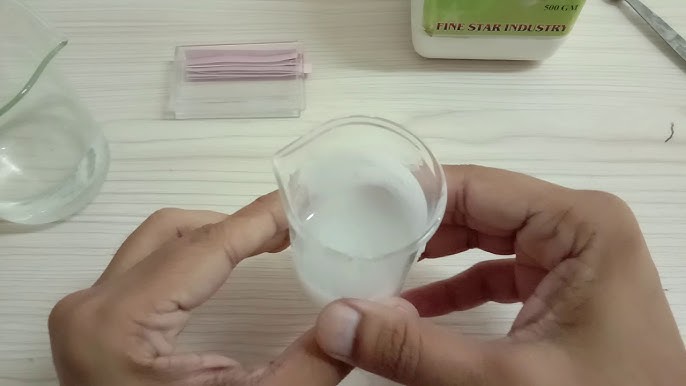
Pouring water on calcium oxide is a simple action, but it creates one of the most powerful reactions used in construction, farming, manufacturing, and environmental treatment. When water touches calcium oxide, the mixture heats up fast, forms a new compound, and becomes highly useful in many industries. This guide explains everything about the reaction, the dangers, the benefits, and how to handle it safely.
What Is Calcium Oxide?
Calcium oxide is a white, dry, powdery or lumpy substance made by heating limestone at very high temperatures. Many people call it quicklime. It contains strong chemical energy that becomes active when water is added. Because of this energy, calcium oxide is used worldwide for building, soil treatment, water purification, and chemical manufacturing.
Simple facts about calcium oxide:
-
Chemical name: Calcium Oxide
-
Common name: Quicklime
-
Formula: CaO
-
Texture: Dry, chalk-like
-
Nature: Strongly alkaline
-
Reaction level: Highly reactive with water
See More: Detailed Guide to HCOOCH CH₂ H₂O: Hydrolysis, Properties, and Applications
What Happens When You Pour Water on Calcium Oxide?
When water is poured on calcium oxide, a fast and energetic reaction begins. The quicklime absorbs the moisture and turns into calcium hydroxide, also known as slaked lime.
The Reaction in Simple Words
-
Water touches quicklime.
-
Heat is released very quickly.
-
The mixture becomes hot, steamy, and may boil.
-
The solid material softens into a thick paste.
-
The final product becomes calcium hydroxide.
This entire process is called slaking.
Chemical Equation
Why the Reaction Produces So Much Heat
The strong heat comes from the way quicklime bonds with water. When CaO absorbs moisture, its internal structure changes. This change releases stored energy in the form of heat. The temperature can rise high enough to create steam and even cause boiling water in seconds.
Is Pouring Water on Calcium Oxide Dangerous?
Yes, it can be dangerous if done without proper care. The heat and the chemical nature of the reaction can cause burns, irritation, or damage to surfaces.
Main Risks
-
Thermal Burns: The mixture becomes very hot.
-
Chemical Burns: Calcium hydroxide is a strong base that irritates skin and eyes.
-
Splash Hazards: Sudden boiling can throw hot paste around.
-
Breathing Problems: Quicklime dust can irritate lungs.
Because of these risks, professionals use protective equipment and controlled procedures.
How to Pour Water on Calcium Oxide Safely
Even though the reaction is strong, it can be handled safely with the proper method.
Safety Gear You Should Use
Make sure you always wear:
-
Safety goggles
-
Rubber gloves
-
Long sleeves
-
Dust mask or respirator
-
Heat-resistant container
Step-by-Step Safe Mixing Method
Follow these steps for small-scale safe slaking:
-
Place the calcium oxide into a stable, open metal or glass container.
-
Add water slowly in small amounts.
-
Stir constantly using a long, heat-safe tool.
-
Wait between additions so the reaction settles.
-
Allow the mixture to cool once slaking finishes.
For large industrial amounts, professionals often add quicklime into water, not water onto quicklime. This reduces splashing and overheating.
Difference Between Quicklime and Slaked Lime
| Feature | Quicklime (CaO) | Slaked Lime (Ca(OH)₂) |
|---|---|---|
| Appearance | Dry, white lumps or powder | Soft, wet paste or powder |
| Reactivity | Highly reactive with water | Mild reaction with water |
| Heat Production | Releases high heat when wet | Releases low heat |
| pH Level | Strongly alkaline | Alkaline but safer |
| Uses | Cement, steel, soil treatment | Mortar, plaster, water treatment |
| Safety Level | More dangerous | Safer after slaking |
Why Calcium Hydroxide Is So Useful
Once the reaction finishes, the calcium hydroxide created becomes a valuable material. It plays a major role in many industries.
Top Uses of Slaked Lime
1. Construction Industry
-
Used to make mortar and plaster
-
Helps stabilize soil
-
Strengthens brickwork
-
Creates whitewash for walls
2. Water and Wastewater Treatment
-
Helps remove impurities
-
Balances pH in acidic water
-
Helps settle suspended particles
3. Agriculture
-
Reduces soil acidity
-
Improves crop growth
-
Controls harmful microorganisms
4. Industrial Processes
-
Used in making paper
-
Helps remove gases from factory smoke
-
Acts as a key material in chemical production
See More: 32 oz of Water: Complete Guide to Conversion, Hydration, and Health
Signs That Calcium Oxide Is Reacting With Water
-
Steam rising from the container
-
Popping or crackling sounds
-
Sharp increase in temperature
-
Paste forming instead of powder
-
White, milky liquid appearing
Situations Where Mixing Water and Calcium Oxide Is Important
-
Preparing lime mortar on construction sites
-
Treating acidic industrial wastewater
-
Improving the strength of clay-based soils
-
Producing lime putty for plasterwork
-
Creating limewash for walls and ceilings
How Long Does the Reaction Take?
The reaction usually begins instantly and continues for several minutes. Larger lumps take longer to fully slake. Fine powder reacts faster because it has more surface area.
Does the Reaction Produce Any Dangerous Fumes?
The reaction creates steam, not poisonous gases. However, quicklime dust itself can irritate the nose and throat, so it is important to avoid breathing it in
Can You Store Calcium Oxide?
Calcium oxide must be kept in airtight containers. If left exposed, it will absorb moisture from the air and turn into calcium hydroxide even without visible water.
Frequently Asked Questions
1. What happens if you pour too much water on calcium oxide?
If too much water is added at once, the reaction becomes violent. Sudden boiling may cause splashing, and the mixture may jump out of the container.
2. Why does calcium oxide crack or break when water is added?
The rapid heat expansion causes the lumps to break apart as they convert into calcium hydroxide.
3. Can the reaction burn your skin?
Yes. Both the heat and the alkaline nature of the product can cause painful burns.
4. Is slaked lime safe after cooling?
Once cooled, slaked lime is safer, but it remains alkaline and should still be handled with care.
5. Can you reverse the reaction after slaking?
No. Once calcium oxide changes into calcium hydroxide, it cannot return to quicklime without high-temperature industrial processing.
6. Can this reaction happen in nature?
Yes. When rainwater reaches exposed quicklime in old structures or stones, it produces the same reaction.
7. Why is slaking important in construction?
Slaking reduces the danger of quicklime and produces a stable material that improves mortar strength and workability.
Conclusion
Pouring water on calcium oxide may look simple, but it creates a powerful chemical reaction that transforms quicklime into one of the most important substances used today. Understanding this reaction helps protect workers, strengthen buildings, improve soils, and treat water safely. With careful handling, the process becomes a valuable tool in farming, construction, manufacturing, and environmental care.
