
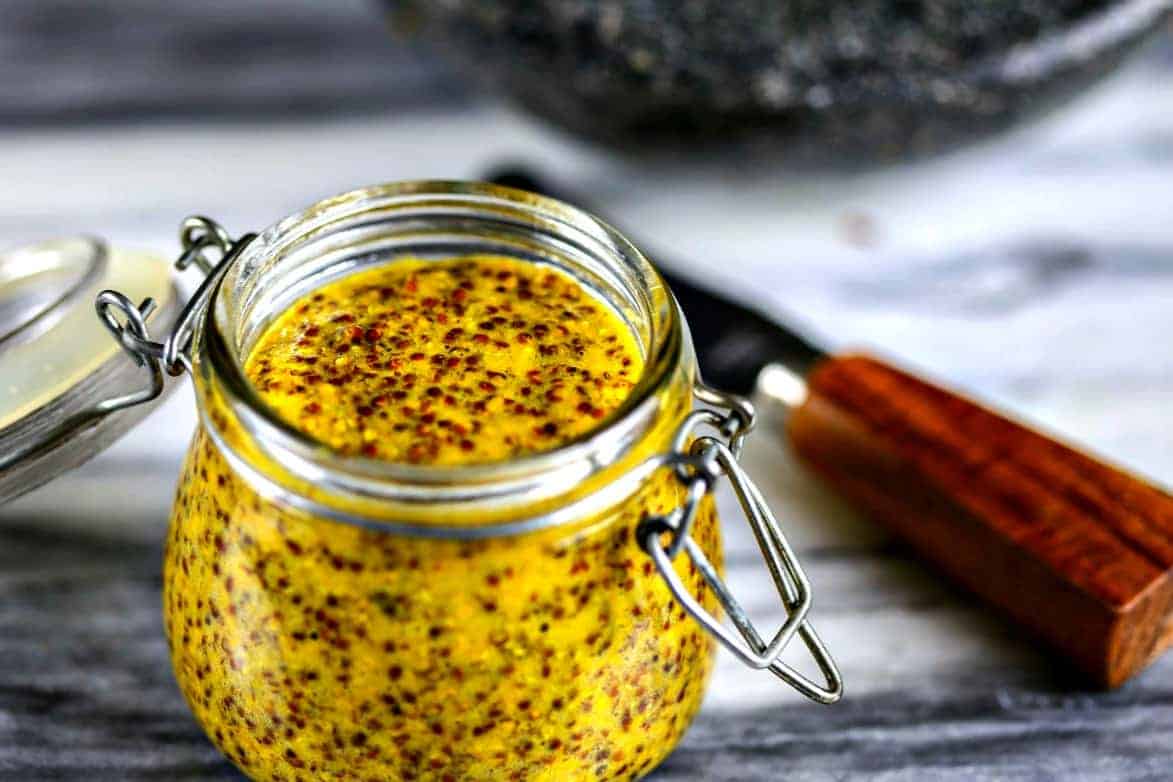
Stone ground mustard is a traditional condiment crafted from coarsely milled mustard seeds. Unlike smooth Dijon or yellow mustard, this variety maintains a grainy texture, producing a deeper flavor profile and a rustic appearance. It is known for its tangy aroma, earthy undertones, and versatile use across cuisines. This condiment traces its roots to ancient mustard making traditions, where seeds were ground using millstones to preserve essential oils and volatile compounds that define its sharpness and character.
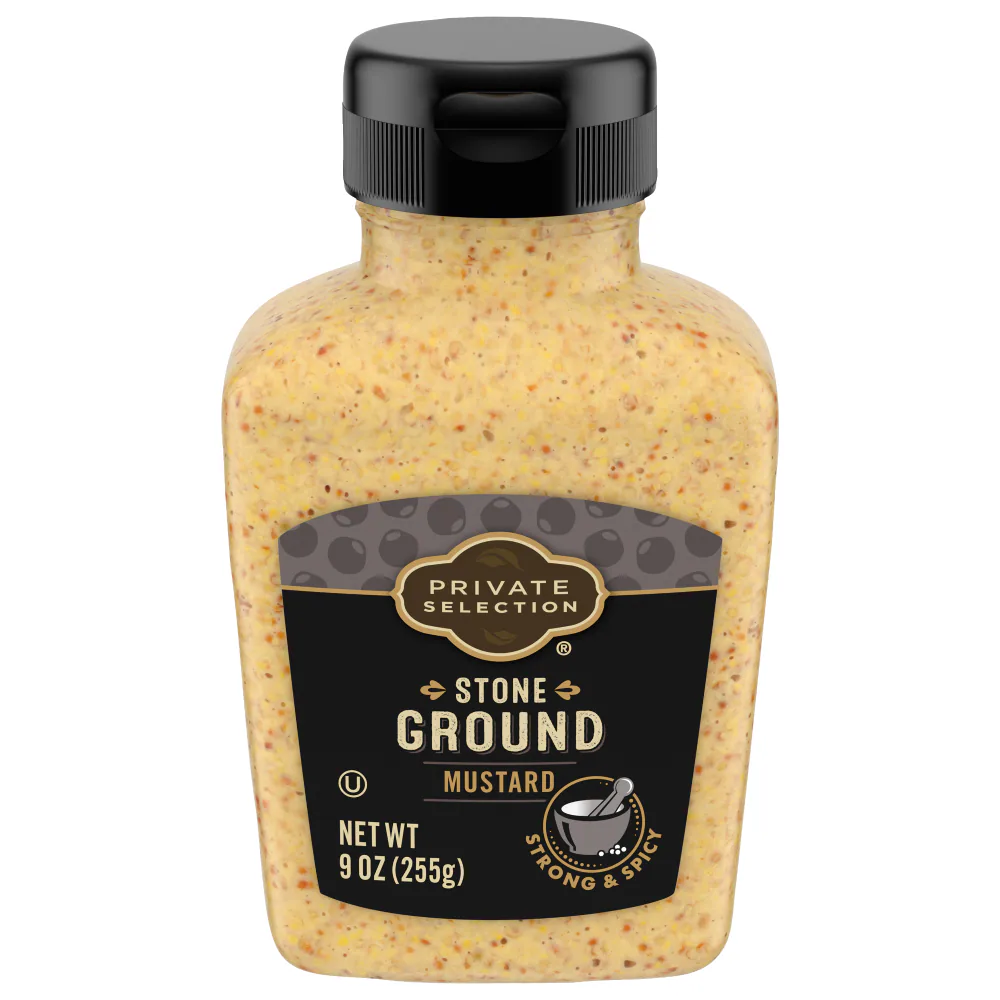
What Is Stone Ground Mustard?
Stone ground mustard is prepared from mustard seeds typically brown (Brassica juncea) or yellow (Sinapis alba) that are crushed between slow-turning stones. This method keeps the temperature low, protecting the enzymes (myrosinase) responsible for converting glucosinolates into isothiocyanates, the chemical compounds that give mustard its heat and pungency. The partially crushed seeds result in a coarser paste, retaining visible grains and enhancing both flavor and texture. Modern producers may blend vinegar, salt, and spices to refine the taste while maintaining the condiment’s artisanal quality.
Origin and Historical Significance
Mustard has ancient origins, with early references found in Roman culinary texts and Chinese medicinal manuscripts. The technique of stone grinding emerged in medieval Europe, where mustard seeds were ground manually using granite or basalt mills.
Burgundy, France, became a notable center of mustard craftsmanship during the 13th century, with Dijon later becoming synonymous with mustard excellence. However, stone ground mustard remained popular among rural and traditional producers, valued for its authenticity and unrefined taste.
Production Process of Stone Ground Mustard
| Stage | Description | Purpose |
|---|---|---|
| Seed Selection | Brown or yellow mustard seeds chosen for flavor intensity | Determines spice level and aroma |
| Soaking | Seeds soaked in vinegar, wine, or water | Softens husks and activates enzyme reactions |
| Stone Grinding | Seeds crushed between stone wheels | Preserves texture and prevents overheating |
| Fermentation | Mixture aged for days or weeks | Develops balanced acidity and depth |
| Packaging | Condiment sealed in airtight containers | Ensures freshness and flavor retention |
The artisanal process distinguishes stone ground mustard from machine-milled variants. Slow grinding minimizes frictional heat, preventing flavor loss and oxidation of seed oils.
Nutritional Composition
Stone ground mustard contains a dense nutritional profile rich in essential minerals and bioactive compounds.
-
Calories: ~10 kcal per teaspoon
-
Protein: 0.5 g
-
Fat: 0.3 g (healthy unsaturated fats)
-
Carbohydrates: 0.4 g
-
Sodium: 55–110 mg (varies by recipe)
-
Key Minerals: Calcium, magnesium, phosphorus, and selenium
-
Bioactive Compounds: Glucosinolates, flavonoids, and antioxidants
These nutrients contribute to the condiment’s unique combination of sharpness and health benefits.
See More: What’s the Difference Between Peanut Butter and Jam?
Health Benefits of Stone Ground Mustard
1. Supports Digestive Health
Mustard seeds contain dietary fiber and essential oils that stimulate gastric enzymes. This helps in breaking down food efficiently, improving nutrient absorption.
2. Contains Antioxidant Properties
The presence of isothiocyanates and flavonoids provides strong antioxidant activity. These compounds neutralize free radicals, potentially reducing oxidative stress in cells.
3. Promotes Heart Health
The omega-3 fatty acids and magnesium present in mustard seeds may help regulate blood pressure and support cardiovascular function.
4. Boosts Metabolic Function
The mustard plant’s natural compounds can enhance metabolism, assisting in fat oxidation and energy production.
5. Exhibits Antimicrobial Activity
Stone ground mustard’s vinegar base and seed phytochemicals inhibit bacterial growth, making it a natural preservative in sauces and marinades.
Flavor Profile and Texture Analysis
Stone ground mustard exhibits a layered flavor structure:
-
Top Notes: Pungent, peppery sharpness
-
Middle Notes: Vinegary acidity with mild bitterness
-
Base Notes: Earthy, nutty undertones
Its grainy texture enhances the sensory experience. The coarse particles release flavor gradually, giving a balanced, lingering taste on the palate.
Culinary Applications of Stone Ground Mustard
Stone ground mustard adapts easily to both rustic and gourmet cuisines. Below are common uses and creative pairings:
In Cooking
-
Marinades: Blends perfectly with honey, garlic, and herbs for chicken or pork marinades.
-
Dressings: Adds depth to vinaigrettes and salad dressings.
-
Sauces: Elevates cream sauces and gravies with a tangy dimension.
-
Sandwiches: Complements deli meats, roast beef, and cheese spreads.
-
Barbecue Recipes: Acts as a natural tenderizer in slow-cooked meats.
In Gourmet Cuisine
-
Paired with charcuterie or smoked fish.
-
Mixed into deviled eggs or potato salad for extra bite.
-
Used in pretzel dips and cheese boards for contrast.
Popular Stone Ground Mustard Varieties
-
Whole Grain Dijon Mustard – French style with wine vinegar.
-
Beer Mustard – Includes ale or lager for malty notes.
-
Honey Stone Ground Mustard – Sweetened with natural honey.
-
Spicy Brown Mustard – Stronger flavor with darker seeds.
-
Herbed Stone Ground Mustard – Infused with dill, rosemary, or tarragon.
These variations cater to diverse cuisines and consumer preferences while retaining the hallmark coarse texture.
Storage and Shelf Life
To maintain freshness:
-
Store unopened jars in a cool, dark place.
-
Refrigerate after opening to preserve flavor.
-
Avoid cross-contamination using clean utensils.
-
Shelf life typically extends 12–18 months under proper storage conditions.
Oxidation or separation of liquid (known as mustard “weeping”) can occur naturally and does not indicate spoilage.
Homemade Stone Ground Mustard Recipe (Simple Method)
Ingredients
-
½ cup yellow mustard seeds
-
½ cup brown mustard seeds
-
¾ cup apple cider vinegar
-
½ cup water
-
1 tbsp honey
-
1 tsp salt
Preparation Steps
-
Soak mustard seeds in vinegar and water for 48 hours.
-
Transfer mixture to a stone mortar or food processor.
-
Grind until coarse, maintaining visible seeds.
-
Add salt and honey. Mix thoroughly.
-
Store in sterilized glass jars.
The flavor matures over time. Aged mustard develops mellow acidity and rich aroma.
Comparison: Stone Ground Mustard vs. Dijon Mustard
| Feature | Stone Ground Mustard | Dijon Mustard |
|---|---|---|
| Texture | Coarse and grainy | Smooth and creamy |
| Flavor Intensity | Earthy and robust | Sharp and refined |
| Main Ingredients | Whole seeds, vinegar | White wine, fine-ground seeds |
| Usage | Rustic dishes, marinades | Dressings, gourmet recipes |
| Processing Method | Stone grinding | Mechanical milling |
Top Culinary Pairings
-
Proteins: Roasted pork, smoked sausage, grilled salmon
-
Vegetables: Asparagus, Brussels sprouts, potatoes
-
Cheeses: Cheddar, Gouda, Gruyère
-
Beverages: Pale ale, Chardonnay, or dry cider
These pairings create complementary flavor experiences that emphasize mustard’s natural acidity and spice.
See More: Foods That Start With U: A Complete Guide
Facts About Stone Ground Mustard
-
The enzyme myrosinase activates only when seeds are broken and moistened.
-
Coarse mustards often have lower acidity, allowing a milder heat profile.
-
The condiment is naturally gluten free and vegan-friendly.
-
Mustard oil from the seeds has been used in Ayurvedic and Unani medicine for centuries.
FAQs
Q1. Is stone ground mustard the same as whole grain mustard?
Not exactly. While both are coarse, stone ground mustard is traditionally milled between stones, whereas whole grain mustard may use steel grinders, resulting in a slightly different texture.
Q2. Does stone ground mustard contain preservatives?
Authentic varieties use vinegar and salt as natural preservatives, avoiding artificial additives.
Q3. Can stone ground mustard go bad?
Yes, exposure to air and moisture can degrade flavor over time. Always refrigerate after opening.
Q4. Is stone ground mustard healthy?
Yes. It provides antioxidants, fiber, and essential minerals, supporting digestion and metabolism.
Q5. How is stone ground mustard used in vegan recipes?
It enhances plant-based burgers, tofu marinades, and salad dressings without dairy or animal derivatives.
Conclusion
Stone ground mustard remains a timeless condiment balancing history, flavor, and nutrition. Its coarse grind captures the seed’s natural oils and aromatic compounds, offering complexity unmatched by smooth mustards. From rustic charcuterie boards to refined culinary applications, it bridges tradition and modern gastronomy. Every jar embodies heritage and craft a flavorful connection between the ancient art of stone milling and today’s demand for authentic, nutrient rich condiments.
