
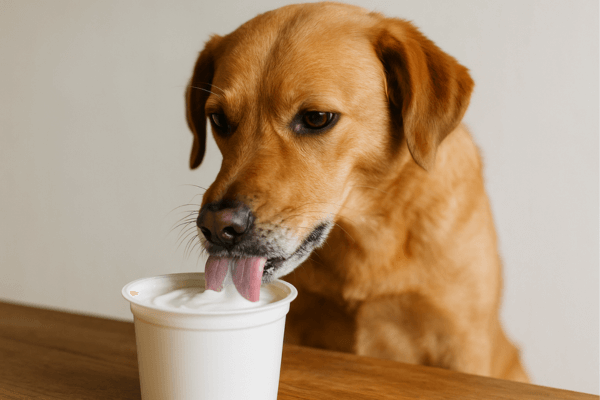
Knowing which human foods fit safely into a dog’s diet is essential for maintaining long-term health. One question that pet owners often search for is “can dogs eat yogurt”, mainly because yogurt is viewed as nutritious and gentle on the stomach. However, not every yogurt ingredient supports canine digestion, and the many yogurt varieties available can make the decision unclear. Understanding how yogurt behaves inside a dog’s digestive system, which types offer real benefits, and what risks to watch for allows owners to make informed, safe choices. This guide examines every important detail about yogurt for dogs, showing when it can be helpful, when it may be harmful, and how to serve it responsibly.
What Makes Yogurt Different From Other Dairy Products?
Yogurt is produced through the fermentation of milk using beneficial bacterial cultures. These cultures—such as Lactobacillus bulgaricus and Streptococcus thermophilus—break down lactose during fermentation. This process reduces some of the natural milk sugar that causes digestive trouble in many dogs.
Compared to raw milk or cheese, yogurt tends to be milder on a dog’s stomach. However, the presence of additional ingredients, varying fat levels, and live cultures can change how each dog responds.
Can Dogs Eat Yogurt?
Yes, dogs can eat yogurt in moderation, but only if the yogurt is plain, unsweetened, and free from toxic additives.
The key factor is lactose tolerance. Some dogs digest yogurt well, while others experience discomfort due to low lactase enzyme levels.
Why Some Dogs Tolerate Yogurt and Others Don’t
-
Dogs naturally produce less lactase as they age.
-
Low lactase means the body struggles to break down lactose in dairy.
-
Poor breakdown leads to gas, bloating, or diarrhea.
Because yogurt undergoes fermentation, lactose decreases, allowing some dogs to digest it better than other dairy items.
Nutritional Components of Yogurt
Yogurt contains a range of nutrients valuable to dogs when consumed responsibly:
| Nutrient | Role in Canine Health |
|---|---|
| Protein | Supports muscle maintenance and repair |
| Calcium | Strengthens bones and teeth |
| Probiotics | Enhances gut balance and immunity |
| Vitamin B12 | Supports neurological and metabolic function |
| Potassium | Helps regulate heart and nerve health |
| Magnesium | Aids enzyme processes and energy production |
These nutrients enhance wellness only when the yogurt is free of sugars, flavorings, or chemical thickeners.
Best Types of Yogurt for Dogs
Not all yogurt options are suitable for dogs. Choosing the right variety protects your pet from stomach issues and toxic ingredients.
1. Plain Yogurt (Best Overall Choice)
Plain, unsweetened yogurt remains the safest and most recommended option. It contains no artificial sweeteners and typically offers a mild probiotic profile beneficial for digestion.
Ideal Traits
-
No added sugar
-
No flavoring
-
Low fat or non fat options
-
Live cultures included
Plain yogurt fits well as an occasional treat or a digestive boost during mild stomach upset.
2. Greek Yogurt (High in Protein)
Greek yogurt undergoes a straining process that removes extra whey, resulting in:
-
Higher protein concentration
-
Lower lactose levels
-
Thicker texture
This type tends to work well for dogs sensitive to lactose. However, higher protein also means higher calories, so serving size matters.
3. Probiotic Yogurt (Digestive Support)
Specialized probiotic yogurts contain a broader selection of live cultures. Certain strains can improve stool quality, enhance immunity, and help restore balance after antibiotic use.
Look for labels with:
-
Live & Active Cultures
-
No artificial sweeteners
-
Low sugar content
See More: A Complete Guide to Wat Wax: Properties, Uses, and Modern Applications
Yogurt Varieties Dogs Should Never Eat
Not every yogurt on store shelves is safe. Some contain ingredients harmful—or fatal—to dogs.
1. Yogurt Containing Xylitol
Xylitol is a sugar substitute extremely toxic to dogs. Even tiny quantities cause a sudden drop in blood sugar and liver damage.
Always read labels carefully.
2. Flavored Yogurt
Strawberry, blueberry, vanilla, and other flavored yogurts contain:
-
Added sugar
-
Artificial flavors
-
Preservatives
-
Excess calories
Dogs gain no benefit from these additives.
3. Full Fat or Sweetened Yogurt
Too much fat may trigger pancreatitis. Excess sugar affects weight, teeth, and blood sugar regulation.
4. Yogurt With Mix Ins
Avoid yogurts containing:
-
Chocolate chips
-
Honey granola
-
Fruit syrups
-
Raisins or dried fruit
Learn More: Does Ketamine Therapy Get You High? A Clinical, Clear, and Complete Guide
Health Benefits of Yogurt for Dogs
When used properly, yogurt offers several scientifically supported benefits.
Supports Digestive Health
Probiotic cultures help rebalance gut flora, especially useful for:
-
Mild diarrhea
-
Stress-related stomach upset
-
Food transitions
-
Antibiotic recovery
Builds a Strong Immune System
Healthy gut bacteria improve immune response due to the strong connection between gut and immune function.
Provides Essential Nutrients
Calcium maintains bone structure. Vitamin B12 supports metabolism. Protein aids muscle repair. These advantages reinforce long-term health.
Helps Dogs With Mild Digestive Irregularities
Small amounts of yogurt may soothe sensitive stomachs by introducing beneficial microbes.
Potential Risks of Giving Dogs Yogurt
While yogurt can be beneficial, certain risks must be considered.
Digestive Upset
Dogs who are lactose intolerant may experience:
-
Diarrhea
-
Gas
-
Vomiting
-
Abdominal bloating
Caloric Overload
High-fat yogurt increases the risk of obesity and pancreatitis.
Toxic Ingredient Exposure
Xylitol exposure causes immediate medical emergencies.
Allergic Reactions
Dogs allergic to dairy proteins may exhibit:
-
Itching
-
Skin inflammation
-
Ear infections
How to Feed Yogurt to Your Dog Safely
Introducing yogurt should be gradual so you can monitor your dog’s reaction.
Simple Guidelines
-
Start with ½ teaspoon for small dogs.
-
Increase to 1 tablespoon if tolerated.
-
Large dogs may consume 1–2 tablespoons.
-
Always serve plain yogurt.
-
Do not offer yogurt daily; use occasionally.
Creative Ways to Serve Yogurt to Dogs
Here are safe and simple serving methods:
Easy Yogurt Treat Ideas
-
Mix yogurt with cooked pumpkin puree
-
Blend yogurt with banana and freeze into cubes
-
Add a spoonful over kibble
-
Combine yogurt with blueberries for a nutrient boost
-
Stuff yogurt inside a dog-safe treat toy
Yogurt Based Homemade Recipes
-
Yogurt & Peanut Butter Frozen Bites (unsalted peanut butter only)
-
Yogurt & Carrot Mash
-
Yogurt Drizzle on Homemade Dog Cookies
-
Yogurt & Oats Dog Smoothie
-
Yogurt Coating for Dehydrated Treats
Signs Your Dog Should Not Eat Yogurt
Monitor closely for these warning signs:
-
Loose or watery stool
-
Excessive gas
-
Itching or skin rash
-
Vomiting
-
Lethargy after eating yogurt
If symptoms occur, discontinue yogurt and consult your veterinarian.
FAQs:
1. How often can dogs eat yogurt?
Dogs can enjoy yogurt two to three times per week in small portions, depending on lactose tolerance and digestive sensitivity.
2. Can puppies eat yogurt?
Puppies can eat small amounts of plain yogurt, but serving sizes must be extremely limited to avoid gastrointestinal upset.
3. Can yogurt cure diarrhea in dogs?
Yogurt may help mild diarrhea by supplying probiotics, but it is not a cure. Severe diarrhea requires veterinary attention.
4. Can diabetic dogs eat yogurt?
Only plain, unsweetened yogurt is safe for diabetic dogs due to its low sugar content. Always confirm with a veterinarian first.
5. Is frozen yogurt safe for dogs?
Commercial frozen yogurt is not recommended; it may contain sugar and artificial additives. Homemade plain-yogurt frozen treats are safer.
Conclution:
Dogs can eat yogurt safely when it is plain, unsweetened, low-fat, and free of harmful additives. Yogurt offers digestive benefits, nutrient support, and probiotic value. However, lactose intolerance, sugar content, and toxic ingredients make careful selection essential. Moderation and proper portion control ensure yogurt serves as a healthy addition not a risk to your dog’s diet.
